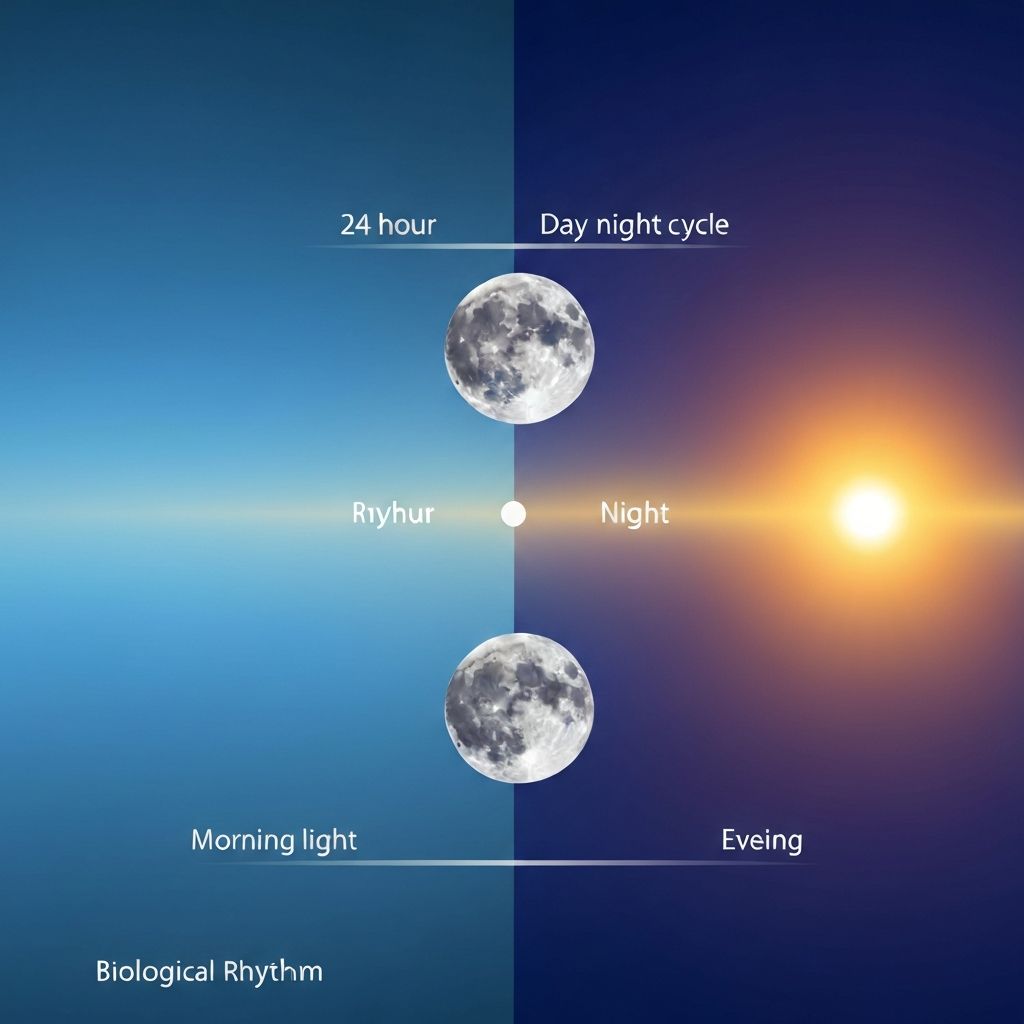
Educational Article
Sun-Ripened Foods and Nutritional Value
The Role of Photosynthesis in Nutrient Development
Photosynthesis is the fundamental process by which plants convert light energy into chemical energy, creating the sugars and compounds that form the foundation of plant tissue. This process occurs in plant leaves and, in some cases, in fruit tissues. Because photosynthesis directly depends on light exposure, the intensity and duration of light exposure fundamentally influences the types and quantities of compounds plants produce.
Plants produce not only carbohydrates but also thousands of secondary metabolites—compounds not required for basic plant function but created in response to environmental conditions. Many of these compounds, including polyphenols, flavonoids, carotenoids, and other antioxidants, accumulate more abundantly when plants are exposed to intense light. These compounds serve protective functions in plants, particularly against ultraviolet radiation and oxidative stress from photosynthesis itself.
Fruit Ripening and Nutrient Accumulation
Ripening is a complex developmental process during which fruits undergo dramatic changes in color, texture, flavor, and nutritional composition. During ripening, fruits typically accumulate sugars, develop characteristic flavors from volatile compounds, and often increase concentrations of specific nutrients and phytonutrients.
Ripening typically occurs in response to ethylene gas (produced by the fruit itself) and requires adequate light exposure. Fruits that ripen fully in natural sunlight develop different nutritional profiles than fruits picked before ripeness and ripened in storage or under artificial conditions. Sun-ripened fruit has had more time to accumulate sugars, flavor compounds, and potentially beneficial plant metabolites through extended photosynthesis.
Nutrient Profiles of Sun-Exposed vs. Shade-Grown Produce
Scientific analysis reveals measurable differences in nutrient composition between produce grown under different light conditions. Citrus fruits grown in high-light Mediterranean regions show higher concentrations of certain vitamins, minerals, and polyphenolic compounds compared to similar fruits grown in regions with reduced sunlight. This difference reflects the plants' differential allocation of resources based on environmental light availability.
Carotenoids—including beta-carotene (provitamin A), lycopene, and lutein—are lipid-soluble pigments that often accumulate to higher levels in fruits exposed to intense light. These compounds provide distinctive colors (red, orange, yellow) and have been studied for various biological effects. Vitamin C content also shows variation, with higher concentrations typically observed in produce grown in high-light environments.
Polyphenolic compounds and flavonoids are particularly influenced by light exposure. These plant metabolites accumulate as protective responses to light exposure. Olives, for instance, contain substantial quantities of polyphenols—compounds that vary in concentration based on growing conditions and olive cultivar. Grape skins similarly accumulate anthocyanins (a type of flavonoid) to higher concentrations when grapes receive intense sunlight during ripening.
Mediterranean Produce and Sunlight
Mediterranean regions receive exceptionally high levels of solar radiation due to latitude, altitude, and atmospheric conditions. Produce grown in these regions under intense Mediterranean sunlight develops distinctive nutritional characteristics compared to the same crops grown in regions with lower light intensity or higher cloud cover.
Traditional Mediterranean produce includes:
- Olives and olive oil: Contain high levels of polyphenols; the phenolic content reflects growing conditions and harvest timing
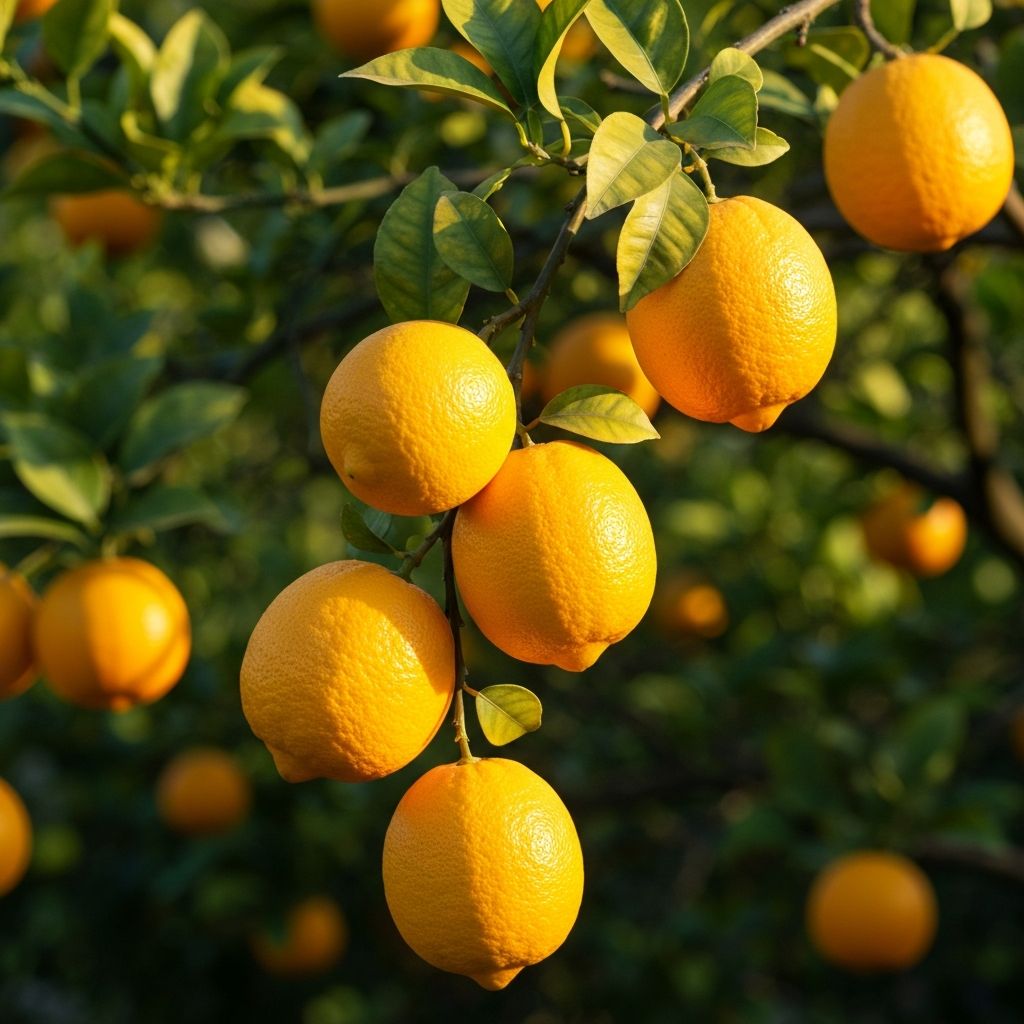
- Citrus fruits: Lemons, oranges, and grapefruits ripen under intense sunlight, developing high vitamin C and flavonoid content
- Tomatoes: Accumulate lycopene to higher concentrations when ripened under intense light conditions
- Grapes: Develop anthocyanins and tannins under high-light conditions; wine quality reflects these compounds
- Herbs: Oregano, thyme, basil, and other Mediterranean herbs concentrate essential oils under high-light conditions
The Concept of Peak Ripeness
Peak ripeness represents the point when a fruit has accumulated maximum concentrations of sugars, flavor compounds, and many (though not all) nutrients. This stage is relatively brief—fruits continue to ripen, then begin to deteriorate as microorganisms colonize and enzymatic breakdown progresses.
Produce harvested at peak ripeness in natural sunlight differs significantly from produce harvested before full ripeness and allowed to ripen in storage. Ripening in storage environments proceeds through different enzymatic and metabolic processes than ripening on the plant under sunlight. This difference can affect final nutritional composition and flavor profile.
Seasonal Variation in Produce Quality
The same crop grown in different seasons shows variable nutrient content based on light intensity, temperature, and water availability during growing season. In Mediterranean climates, summer produces the most intensely sun-exposed crops, while winter crops develop under lower light angles and potentially higher cloud cover.
Winter citrus grown in Mediterranean regions still benefits from high overall solar radiation, but the lower angle of winter sunlight means fruits receive different light spectra and intensity compared to summer produce. Yet Mediterranean winter is substantially sunnier than winter in northern regions, which explains the historical importance of Mediterranean regions in citrus cultivation.
Modern Agriculture and Sunlight Exposure
Modern agricultural practices vary significantly in light exposure. Outdoor farming under natural conditions resembles historical approaches. Greenhouse cultivation provides controlled light but reduces light intensity compared to outdoor conditions. Vertical farming and indoor cultivation typically use artificial lighting, which provides specific light spectra but generally at lower intensities than natural sunlight.
These different growing methods produce measurably different nutrient profiles in the same crop. For example, lettuce grown under artificial lighting shows different micronutrient composition than outdoor-grown lettuce. The differences are not universal differences between methods but rather reflect the specific light conditions each method provides.
Implications for Nutrition and Health
Scientific research documents these differences in nutrient composition based on growing conditions. However, documenting that sun-ripened produce contains different nutrient profiles does not establish that these differences cause specific health outcomes for any individual. Multiple factors influence health outcomes, and individual responses to dietary components vary significantly.
This article presents information about how light exposure influences plant development and nutrient synthesis. It describes observed differences in nutrient composition without claiming that eating sun-ripened produce causes particular health results for any specific person. Individual nutrition and health are complex topics influenced by numerous factors beyond any single food or nutrient.